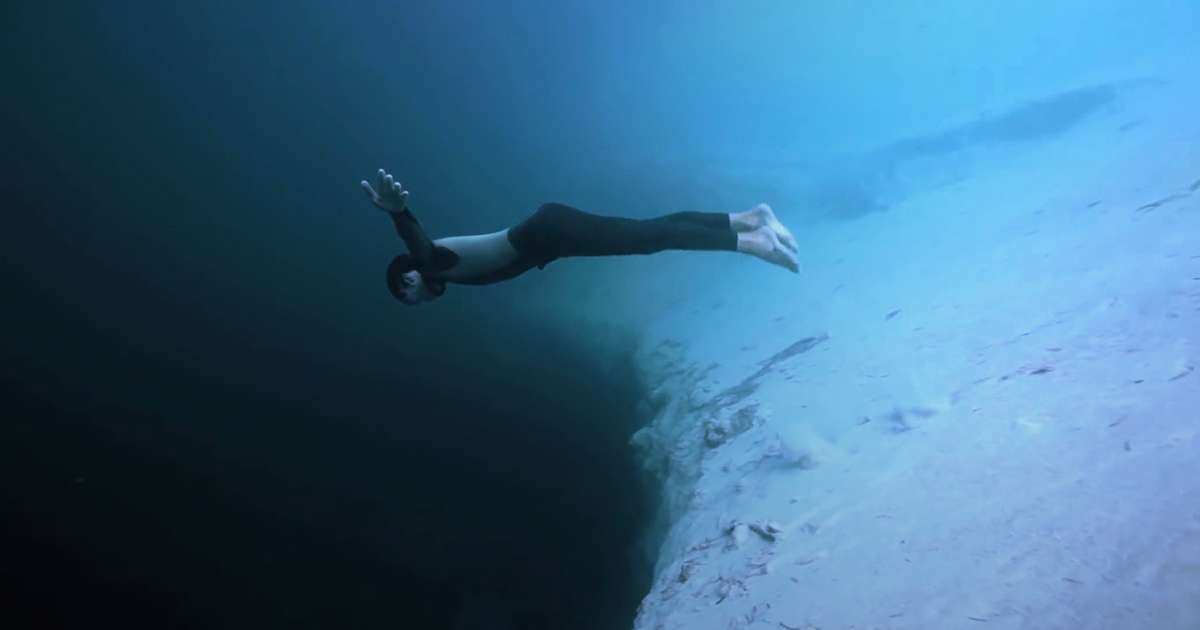
During a recent vacation, I was snorkeling, swimming through the shallow water of a beautiful lagoon with white sand at the bottom. The sun was up high and the sea floor was bright. Then I approached a drop off where the shallow seafloor fell off to unknown depths. As I approached the edge, the scenery in front of me started to look a little scary and my heartbeat accelerated. Instead of bright sand right underneath me, I was now approaching a dark blue. My eyes, still conditioned by the bright reflective sand, had trouble seeing any details in the deep, dark blue beyond the edge. Although I’m an experienced snorkeler and even scuba diver, I felt a little weary, not knowing what to expect. Then my eyes adjusted and I was able to see more of the details underneath me. As I held my breath and dove down to the seafloor 15-20 ft underneath me, I saw small blocks of coral and fish. While the deep blue initially created the illusion of a a lot of depth, I realized this areas wasn’t all that deep. After just a few minutes in this new environment, I felt very comfortable. This area was actually more exciting for snorkeling and looking back at the shallow lagoon, I almost felt silly for being weary about this deeper area.
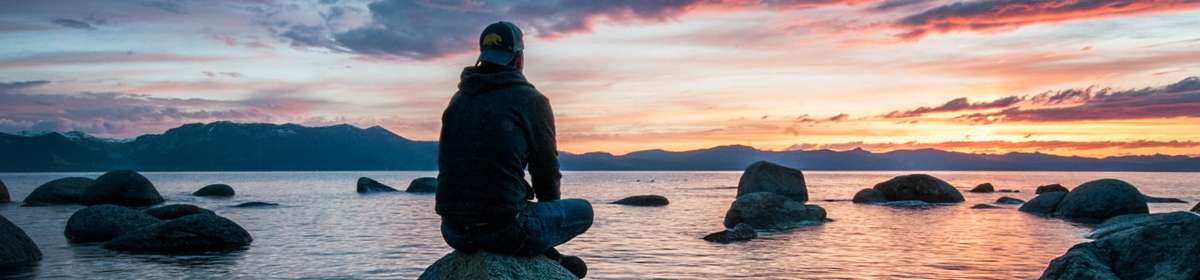
Taking a step back, isn’t this how we all feel when it comes to dealing with change? We all have our home turf where we’re comfortable. We know our surroundings and are at ease. Then we head towards change. All off a sudden, things aren’t quite as clear any more and the unknown may make us weary and nervous. We don’t know what’s “out there” and we can’t discern the details yet of what we’re going to encounter. We react emotionally and with fear. But once we allow ourselves to be exposed to the new environment, we see it’s not all that scary and we may actually enjoy it. We get to see the details of our new surroundings and become comfortable. Looking back, we may feel silly about having reacted with so much unease. In the end, we extend our comfort zone and the formerly foreign territory ends up becoming part of our home turf.
So what can we take away from this? Fear of change is normal and some may argue even a hardwired response (think “fight or flight” reflex). But although in today’s world change may be unavoidable, there are a few things we can do to ease the transition:
- Know that your response is “normal”.
- Allow yourself to go through the readjustment process.
- The more quickly you explore your new environment and become familiar with its particularities, the more quickly will you feel comfortable.
In the end, change is part of everyday life and we all have to deal with it. The more often we experience it, the sooner we realize frequent change is the new norm and while fear of the unknown is normal, going through it consciously and deliberately will hopefully take the edge off.
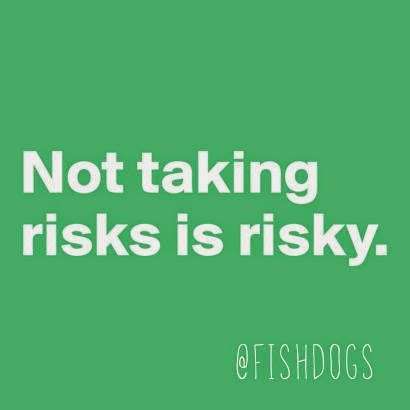

 Everyone seeks to improve their life on a constant basis. Examples: We buy a bigger car, we move to a bigger house, we get more memory for our laptop, we get a faster printer, we accept a job with more pay and a shorter commute, and we go for the big screen TV (a completely random example). All these things add up to a significant improvement of our quality of life over time. But do you realize that this is pretty much a one-way street? Will you be okay with a smaller TV, less RAM, a longer commute, or less pay in future? Hell no! Once you’ve made the change and gotten used to it, you won’t want to go back to “how it used to be”. This makes all these improvements irreversible. You’ve set the bar higher, now get used to jumping higher too. Not that this is a terrible thing, as long as you realize that there is no going back, or at least not a painless way. This is the one-way street of progress…